
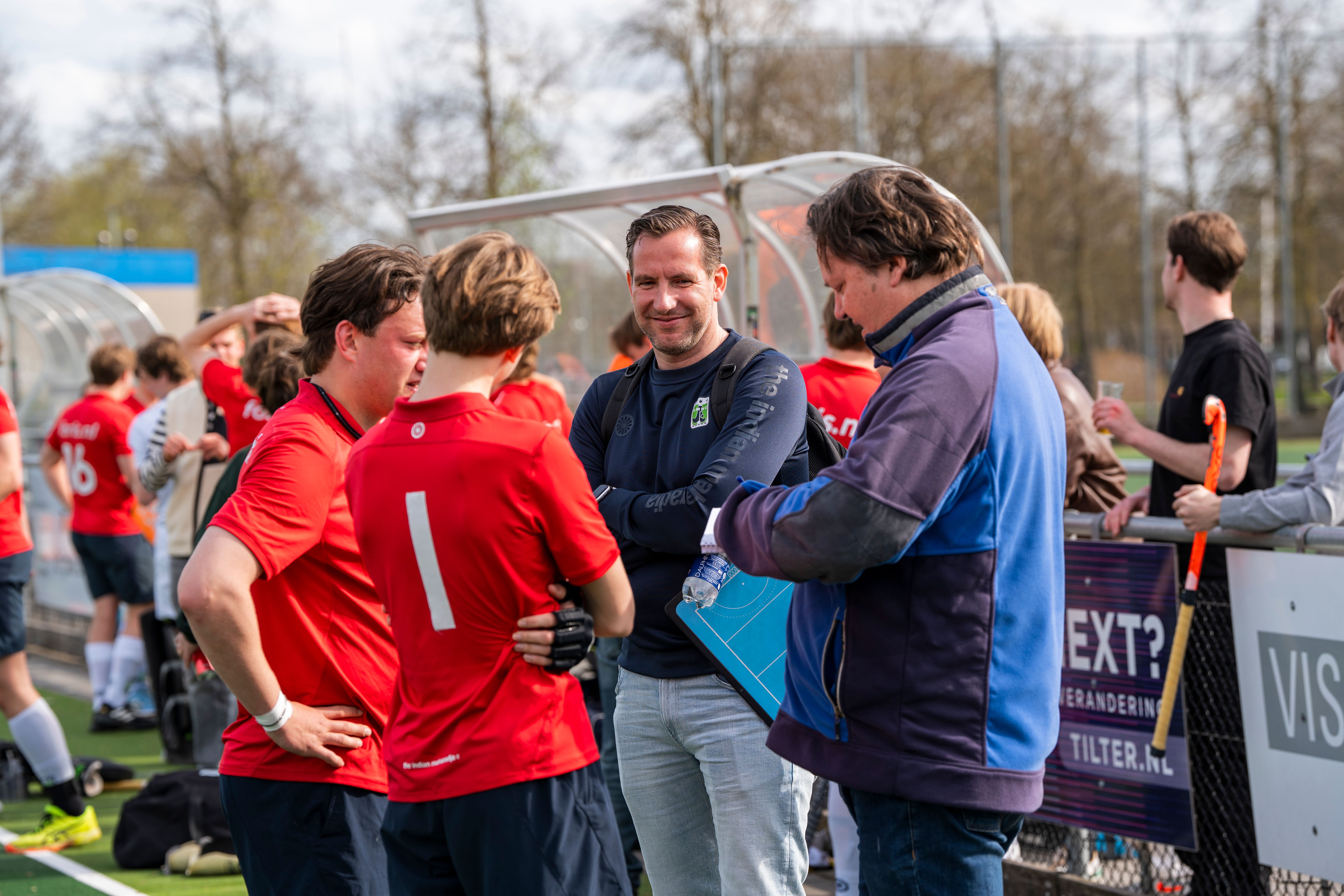
In hot conditions a referee may stop play so players can take on fluids, and the pause has become a coaching tool. It is the only moment in a half when a coach can address everyone at once.
The window is short and crowded
The stoppage lasts a couple of minutes, and much of it is spent on drinking and cooling. The actual speaking time is well under a minute.
Players arrive from different parts of the field with different information, and some are more affected by the conditions than others. Attention is not uniform.
That rules out anything complicated. A coach who tries to explain a new pressing scheme is spending the window on something nobody will retain.
What works is a single adjustable variable
Effective break instructions change one number. Push the line up ten yards, drop the wingers into midfield, stop pressing the goalkeeper.
Each of these is a change a player can hold in their head for twenty minutes without further reminders. Multiple simultaneous changes cancel each other out.
Coaches who prepare for the break decide in advance which single lever they will pull if the game is going a certain way. The decision is made before the whistle.
The opponent gets the same opportunity
Both teams reorganize during the stoppage, so an advantage built on the opponent's disorganization can disappear. A team that had found a weakness may find it closed afterward.
This changes when a coach wants the break to happen, though they do not control it. Teams sometimes accelerate before an expected stoppage to use the current shape.
It also means a struggling team is not fully rescued, since the opposing coach is adjusting too. The break resets rhythm rather than awarding an advantage.
Physical management competes for the time
The break exists for player welfare, and in genuine heat the priority is fluid and cooling rather than tactics. Staff have equipment and protocols that take precedence.
Coaches who ignore this get players who are hydrated less and no better informed. Experienced staff separate the two conversations, with medical first and one instruction at the end.
The instruction usually goes to two or three players rather than the group, because those are the ones whose positioning solves the problem. Targeted beats collective.
Why the break rewards preparation
Teams that have rehearsed a small number of named adjustments can switch between them with a word. The rehearsal happened weeks earlier on the practice field.
Without that vocabulary, a coach has to describe the change from scratch, which does not fit in the time available. The constraint is language, not tactics.
This is why some teams change visibly after a stoppage and others do not. The difference was built long before the match.