
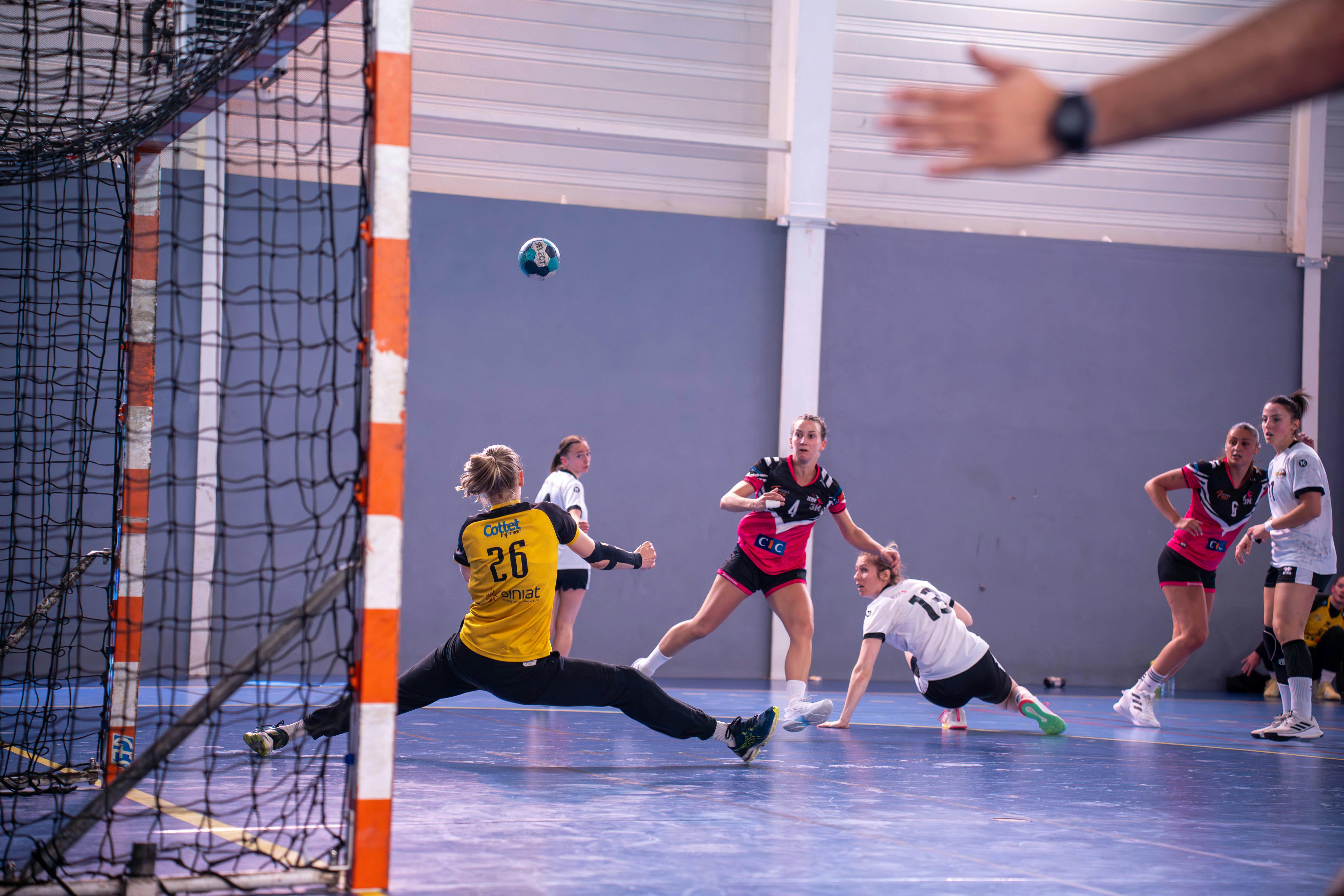
A counter-attack is usually decided within two seconds of the turnover. What happens to the first pass determines whether the opponent recovers its shape or is beaten by it.
The window closes faster than most teams realise
The moment possession changes, the team that lost the ball is at its most disorganised, with players committed forward and no defensive line established.
That disorganisation is repaired within a few seconds by players sprinting back. Every touch taken before the first forward pass spends part of a very short budget.
This is why teams that counter well tend to release the ball in one or two touches rather than securing possession first.
The winner of the ball is rarely the right passer
A player who has just made a tackle is usually off balance, facing his own goal, and surrounded by opponents attempting to win it straight back.
Asking him to find a forward pass in that state produces turnovers, so effective counter-attacking teams train a short lay-off to a supporting player facing the right way.
That second player is the one who actually launches the counter, which is why the position beside the ball-winner is coached so specifically.
Forward and accurate beats forward and hopeful
A long ball released immediately is fast but frequently returns possession, and a counter that ends in a loose header has achieved nothing.
The useful first pass travels into a teammate who can receive facing forward, generally into the space between the opponent's recovering defenders and their midfield.
Distance matters less than orientation. A twenty-metre pass to a player already turned advances the attack further than a fifty-metre pass into a duel.
Runners must start before the pass exists
If forwards wait to see whether the ball is won, the passing option arrives too late and the defence has already recovered its shape.
Counter-attacking teams therefore instruct their most advanced players to begin moving at the moment pressure is applied, not at the moment possession changes.
The cost is that some of those runs are wasted when the tackle is not won, which is accepted as the price of the ones that are.
Where the ball is won shapes what is possible
A turnover in the opponent's half leaves fewer defenders behind the ball and a shorter distance to goal, so the direct option is usually correct.
A turnover deep in a team's own half requires an extra pass to escape pressure before the counter can begin, and rushing it simply gives possession straight back.
Well-drilled sides therefore have two responses rather than one, and the trigger for choosing between them is field position rather than instinct.